

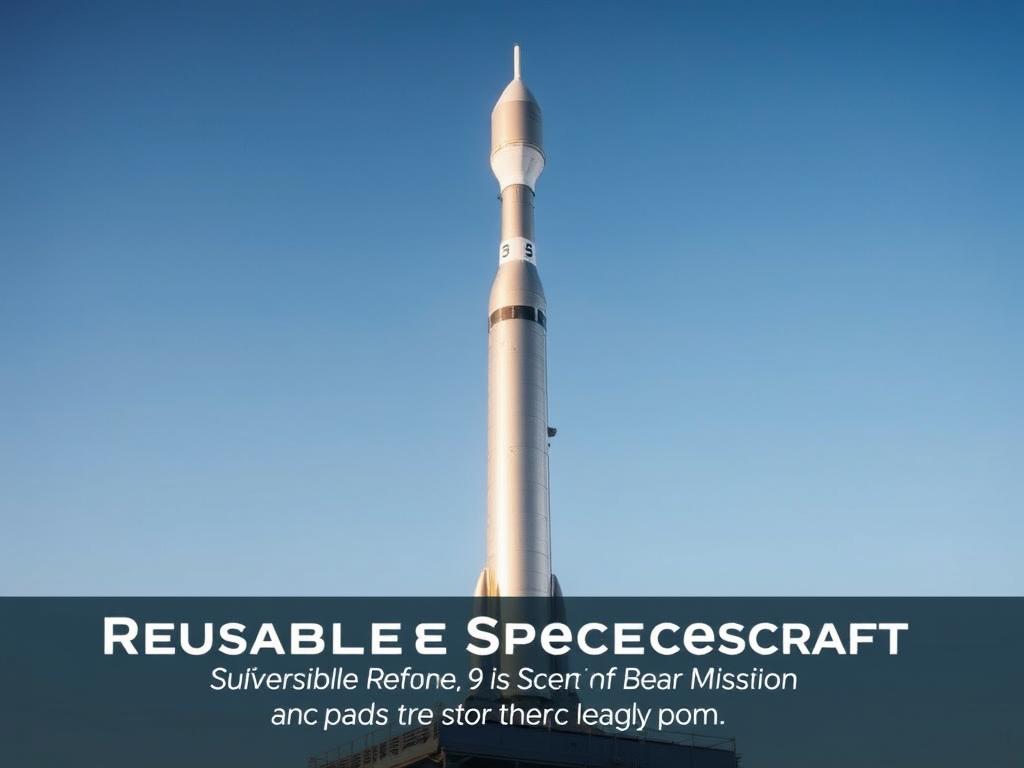
Imagine space travel becoming as easy and cheap as flying on a plane. This future is near, thanks to reusable rockets and space tech. Reusable spacecraft are changing space missions, making them cheaper and more efficient.
SpaceX is leading this tech revolution with their Falcon 9 rocket. They’ve shown it’s possible to land and reuse rocket parts. This could make space travel cheaper and more sustainable, opening doors for science, satellites, and even space tourism.
We’re on the edge of a new space era, and reusable spacecraft are key. In this article, we’ll explore who’s pushing this tech, the innovations behind it, and its big impact on space travel and more.
Introduction to Reusable Spacecraft
Reusable spacecraft change how we explore space. They are more affordable and sustainable than old ways. These spaceplanes can go to space, do their job, and come back for more missions.
This makes space travel cheaper. It also helps space become a business. Reusable spaceplanes are key to this change.
Definition and Overview
Reusable spacecraft can go to space many times. They don’t throw away the vehicle like old rockets do. Instead, they come back to Earth and get ready for more trips.
They use cool tech like landing systems and heat shields. This lets them be used over and over again.
Historical Context
The idea of reusable spacecraft started in comic strips of the 1920s and 1930s. After World War II, scientists talked about a spaceplane called Silverbird. The US Air Force started working on the X-20 Dyna-Soar in 1958.
But, they stopped it in 1963 for Apollo. NASA tried again with the Space Shuttle program.
Significance in Space Exploration
Reusable spaceplanes could change space travel a lot. They make launching things into space cheaper. This means more missions can happen without spending a lot.
It also makes space travel open to private companies. They can offer services in space. Reusable spacecraft help with space tourism, satellites, and even going to other planets.
Major Players in Reusable Spacecraft Development
Many space agencies and private companies are leading in reusable spacecraft tech. Their new designs and test flights are changing space travel. Now, space travel could be cheaper and more sustainable.
NASA’s Contributions
NASA has been studying reusable spacecraft for a long time. They started with the Space Shuttle program. Now, they’re working on the HL-20 spaceplane, which Sierra Nevada Corporation renamed Dream Chaser.
This spaceplane can carry people and cargo to low Earth orbit. It’s a big step forward for space travel.
SpaceX Innovations
SpaceX is a big name in reusable spacecraft. They use the Falcon 9 rocket and Dragon V2 spacecraft. The Falcon 9 can land vertically, making it reusable.
The Dragon V2 is being made to land too. This will make it even more reusable. SpaceX is pushing the limits of space travel.
Blue Origin Initiatives
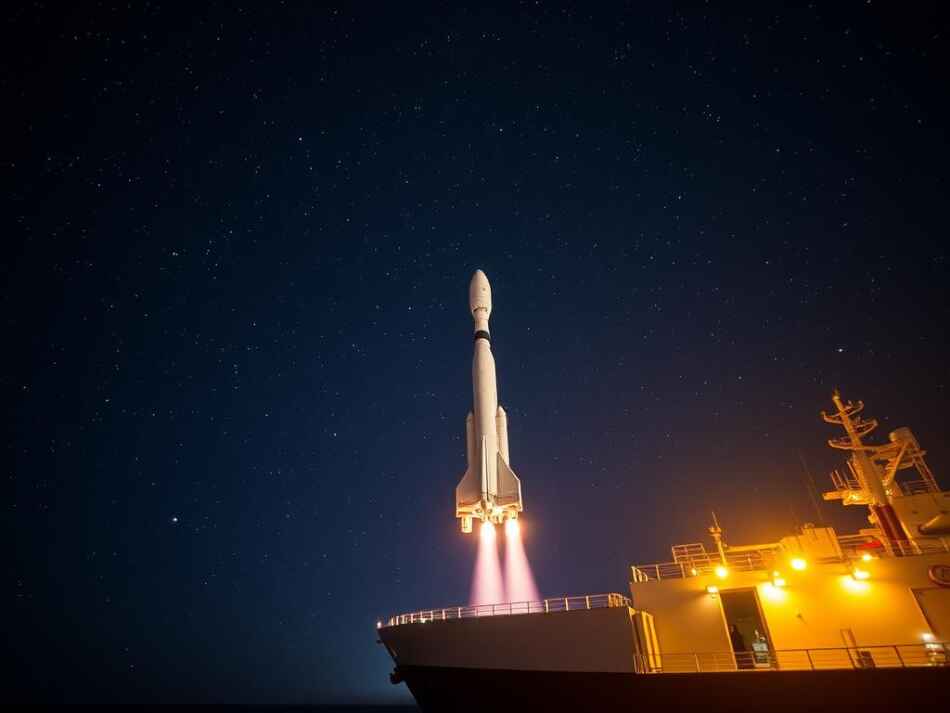
Blue Origin, founded by Jeff Bezos, is also making big strides. Their New Shepard suborbital rocket has launched and landed many times. It shows vertical takeoff and landing works well.
Blue Origin wants to send people and payloads to space soon. They’re working hard to make it happen.
United Launch Alliance and Sierra Nevada Corporation are also important. They’re working on the Vulcan rocket and Dream Chaser spaceplane. Together, they’re making reusable spacecraft better and more common.
Technological Innovations in Reusable Spacecraft
Reusable spacecraft are made possible by new technologies. These include advanced materials and smart software. They make space travel cheaper, more efficient, and better for the planet.
Launch and Landing Systems
Launching and landing safely is key for reusable spacecraft. SpaceX has come up with new ways to do this. For example, the Falcon 9 rocket lands by falling horizontally and then flipping up just before touching down.
Thermal protection systems are also important. They keep the spacecraft cool during the hot reentry into Earth’s atmosphere. This lets the spacecraft be used over and over again.
Materials Engineering
Advanced materials are driving reusable spacecraft forward. Carbon nanotubes are very strong and light. They’re great for making space structures that are both strong and light.
Ceramic matrix composites are also being looked at. They can handle very high temperatures and protect against oxidation. This makes them perfect for thermal protection systems.
Software and Automation
Software and automation are key for reusable spacecraft. Autonomous landing systems use sensors and algorithms to land safely without a pilot. This makes space travel safer and more efficient.
Simulation tools help design and test spacecraft. They let engineers try out ideas before building real models. This saves time and money and makes spacecraft better.
Economic Impact of Reusable Spacecraft
Reusable spacecraft are changing space exploration and business. They cut launch costs a lot. This opens doors for government and private projects.
Space tourism is growing fast. Lower launch costs mean more people can go to space. This could bring in billions and create many jobs.
Reusable spacecraft also help small satellite constellations. These networks offer internet and Earth data. With cheaper launches, building these constellations is easier.
Enabling More Ambitious Space Missions
Reusable spacecraft help science too. They let NASA send more and better missions. This could lead to people living on the Moon and Mars.
Transforming the Satellite Industry
Reusable rockets change the satellite world a lot. Costs could fall by 90% or more. This means more satellites and better services like internet and Earth data.
Environmental Considerations
The space industry is growing fast. It’s important to think about how space missions affect our planet and space. Reusable spacecraft are a good solution to lessen these impacts.
Space junk is a big problem in Earth’s orbit. It includes old rocket parts, broken satellites, and more. These can harm other spacecraft and satellites. Reusable spacecraft help by reducing the amount of junk made per mission.
Lowering Carbon Footprint
Using green propellants in reusable spacecraft helps the environment too. Old rocket fuels are toxic and bad for the planet. Green propellants are better for the environment and cut down on carbon emissions.
Companies like SpaceX and Blue Origin are working on this. They’re finding ways to make their rockets more eco-friendly.
Sustainable Practices in Manufacturing
The space industry is also getting greener in how it makes spacecraft. They’re using recyclable materials and making production better for the planet. This means using strong, light materials and making things more efficiently.
Key Milestones in Reusable Spacecraft History
Reusable spacecraft have made great progress over the years. NASA started it all, and now companies like SpaceX and Blue Origin are pushing the limits. Their work has led to many important achievements.
First Successful Reusable Spacecraft
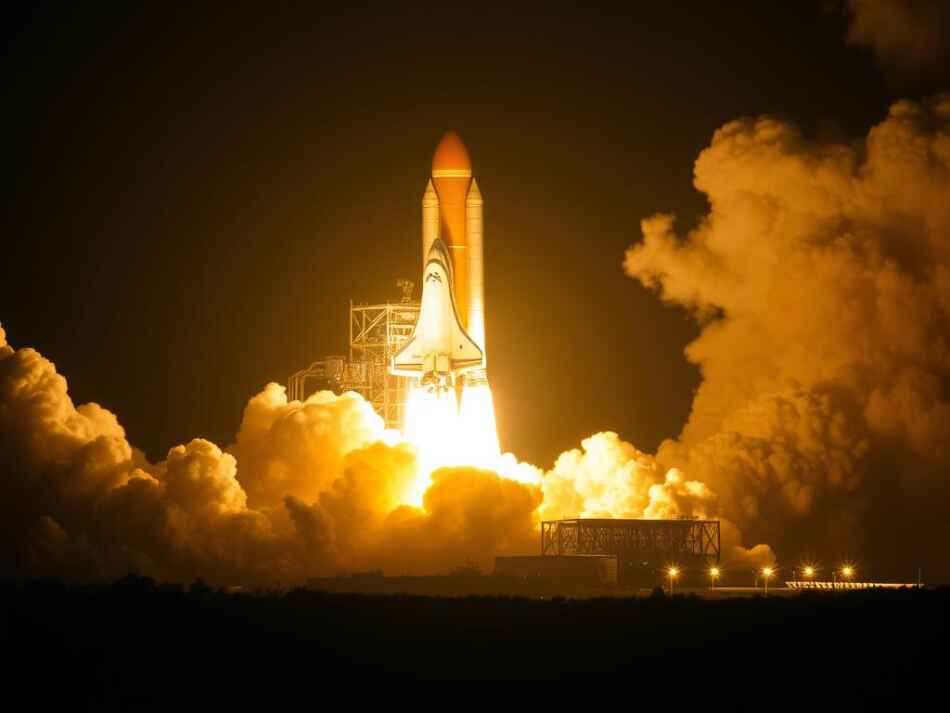
The Space Shuttle launched in 1981 and was the first to be partially reusable. It retired in 2011 but opened doors for new tech. Its legacy is huge.
Notable Reusable Missions
Recently, reusable spacecraft have shown their power. The X-37B spaceplane, used by the U.S. Air Force, has done secret missions. SpaceX’s Falcon Heavy rocket also made history by landing two boosters at once.
Recent Achievements in the Field
Private companies are now leading the way in reusable spacecraft. Blue Origin is working on the New Glenn rocket. It aims to make space travel cheaper. These advancements are exciting for the future of space.
Challenges Faced by Reusable Spacecraft
Reusable spacecraft technology is promising for space exploration. But, it faces big challenges. Engineers and scientists must solve technical problems, ensure safety, and find enough money.
Ensuring rocket engine failures is a big challenge. SpaceX’s Raptor engines have had issues. These problems happen because of extreme temperatures and pressures during launch and landing.
Prioritizing Crew Safety
Keeping astronauts safe is key in reusable spacecraft. Launch abort systems are vital. They must work well to save astronauts in emergencies.
Securing Funding and Investment
Finding enough money is hard for reusable spacecraft. The costs are high. Private investment is important, but it’s hard to get enough.
Despite these hurdles, the space industry keeps pushing forward. They work hard to solve problems, improve safety, and find money. This way, reusable spacecraft might become a reality for space missions.
Future of Reusable Spacecraft
Reusable spacecraft tech is getting better, making space travel more exciting. New missions and innovations are coming. The next few years will be thrilling for space fans.
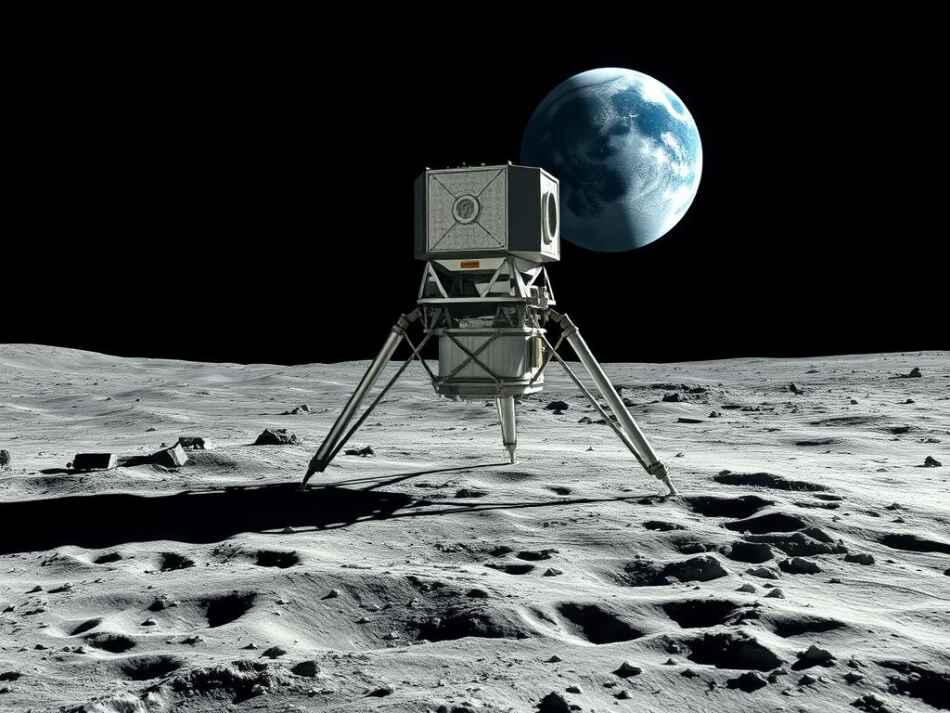
NASA’s Artemis program is a big deal. It plans to send humans back to the Moon with reusable spacecraft like SpaceX Starship. This will help us explore the Moon better and get ready for Mars.
Technological Advancements
New tech is being made for these missions. One cool thing is in-orbit refueling. It lets spacecraft stay in space longer and go farther without big rockets.
Collaboration among Space Agencies
Space agencies are working together. NASA and ESA are teaming up for Artemis. China is also working on reusable rockets. This teamwork could make things happen faster.
The future of reusable spacecraft is very promising. It could change how we see the universe and our place in it. We’re on the edge of a new space era, full of endless possibilities.
The Role of Reusable Spacecraft in Human Spaceflight
Reusable spacecraft are key for our future in space. They can launch and land many times. This changes how we travel to space.
Building a Moon base is a big dream. It’s a step towards Mars. SpaceX’s Starship will help send people and stuff to the Moon.
Supporting Deep Space Missions
Reusable spacecraft are vital for the Moon and Mars. They can carry lots of stuff and people. This makes space travel cheaper and easier.
Research and Development Programs
These spacecraft also help with space research. They let scientists do experiments in space often and cheaply. This leads to new discoveries and inventions.
Crew Safety Enhancements
Keeping astronauts safe is very important. Reusable spacecraft have special safety features. They have good air, protect from radiation, and can escape in emergencies. This makes space travel safer for everyone.
Public Perception and Support for Reusable Spacecraft
Reusable spacecraft tech is getting better, and people’s views matter a lot. Big launches by SpaceX and Blue Origin have caught the world’s eye. This has made many excited about what’s possible with this new tech.
Getting kids involved in space tech is key. STEM education and space camps spark their interest in space and engineering. These programs give them a chance to learn by doing, sparking a love for science and new ideas.
Public-private partnerships are helping a lot. NASA working with private companies shows how together, we can achieve more. This teamwork brings down costs, opens up space, and pushes tech forward.
Media Coverage and Public Awareness
Media has made a big difference in how people see reusable spacecraft. Live launches and rocket landings videos have gone viral. This has made space tech more exciting and interesting to everyone.
Educational Outreach Initiatives
It’s important to get the next generation involved. Space camps and visits from astronauts and engineers inspire kids. These efforts make them see the value of space and the role of reusable spacecraft in reaching big goals.
Engagement with Future Generations
Investing in education and outreach is smart. It ensures we have the right people to keep improving reusable spacecraft. By working with young people, we build a strong base of support and enthusiasm for this game-changing tech.
Conclusion: The Lasting Impacts of Reusable Spacecraft
Reusable spacecraft have changed space exploration. They make launching missions cheaper. This opens up new chances for science and discovery.
We looked at who’s leading in reusable spacecraft, the tech behind them, and their effects. We also talked about the hurdles and what’s next for them.
Summary of Key Points
Reusable spacecraft change how we explore space. They make launches cheaper and more frequent. This speeds up science and makes space more accessible.
But, there are big challenges. We need more government money and teamwork to keep improving.
The Outlook for Space Exploration
Reusable spacecraft are getting better. This means more missions and cheaper launches. We’ll see more science, business, and even space tourism soon.
But, we must solve technical and safety issues. This will keep these vehicles safe and useful for a long time.
Call to Action for Further Support
We must keep investing in reusable spacecraft. We need government money and teamwork between space agencies and companies. This will help us explore more and achieve great things in space.
Let’s all support this important work. Together, we can make space travel better and reach new heights.