

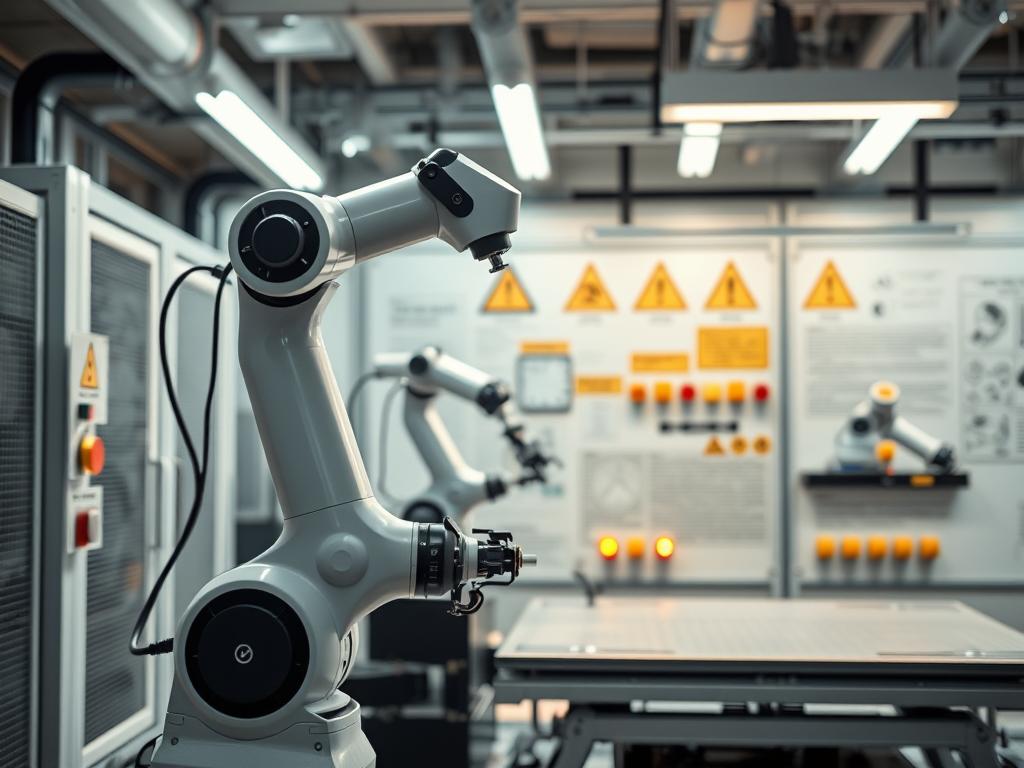
In today’s fast-changing world, collaborative robots, or cobots, are changing how we work with machines. It’s key to focus on safety as these smart machines join our work areas. By setting strong safety rules, designing safe spaces, and training workers, we can use robots to boost productivity safely.
Cobots are bringing a new way of working together with machines. We need to follow strict safety rules, like ISO 10218 and ISO/TS 15066. These rules help design safe cobots, check risks, and add important safety features like emergency stops.
But safety isn’t just about the robots. We must also make our workspaces safe and teach workers how to use cobots safely. By doing this, we can make the most of this new technology and keep our people safe.
Understanding Collaborative Robots and Their Functionality
Collaborative robots, or cobots, are changing how humans and machines work together. They help humans by sharing tasks and making work better. Unlike old robots, cobots are safe to work with humans because of special safety features.
Definition and Overview of Collaborative Robots
Cobots are robots that can safely work close to people. They follow ISO robot standards for safety with humans. Cobots are smaller, lighter, and easier to use than old robots. This makes them available to more businesses.
Key Features of Collaborative Robots
Cobots have special features for safe and efficient work with humans:
- Force limiting technology to prevent injury in case of collision
- Collision detection sensors to stop movement upon contact
- Speed restrictions for safer operation near humans
- Ergonomic design for ease of use and interaction
- Intuitive programming interfaces for quick task setup
These features, along with proper machine guarding and risk assessment, ensure a safe working environment for human-robot teams.
Benefits of Integrating Collaborative Robots in Workspaces
Using cobots in workspaces brings many benefits:
- Increased productivity: Cobots work all the time, making more and working better.
- Enhanced precision: Cobots do tasks with great accuracy and can do the same thing over and over.
- Improved ergonomics: Cobots do hard or boring tasks, so humans don’t get tired or hurt.
- Flexibility: Cobots can be easily changed for different tasks, fitting changing work needs.
By using cobots, companies can make their work better and safer for everyone.
Safety Regulations and Standards for Collaborative Robots
Collaborative robots are becoming more common in work places. It’s very important to keep workers safe. Many groups have made rules to help keep robots and people safe together.
Overview of OSHA Guidelines
The Occupational Safety and Health Administration (OSHA) has made rules to keep workers safe. They say it’s key to check risks, use safety steps, and train workers well.
ANSI/RIA Standards for Robot Safety
The American National Standards Institute (ANSI) and the Robotic Industries Association (RIA) have made the RIA R15.06 standard. It’s about industrial robot safety. This standard matches the ISO 10218 and gives safety rules for robots, including the ones that work with people.
The RIA R15.06 standard talks about dangers like being crushed or trapped. It also covers electrical risks. It gives rules for safe stops, speed checks, and limits on power and force for robots that work with people.
Importance of Compliance in Collaborative Environments
Following OSHA rules and ANSI/RIA standards is very important for companies with robots. Not following these rules can lead to big fines, legal problems, and most importantly, hurt workers.
Robots also need to follow the ISO/TS 15066 standard. This standard helps with safety checks, designing safe spaces, and safety systems for robots that work with people.
By following these safety rules, companies can make a safe place for robots and people to work together. This helps avoid accidents and keeps workers safe.
Assessing Risk in Human-Robot Interaction
Collaborative robots are now common in workspaces. It’s key to do risk assessments to keep workers safe. By finding hazards and adding safety steps, we can make a safe place for humans and robots to work together.
Identifying Possible Hazards
The first step is to find possible dangers. Some dangers include:
- Collisions between robots and humans
- Pinch points and entanglement risks
- Unintended robot movements
- Malfunctions or software errors
Doing a detailed hazard analysis helps find where safety steps are needed.
Risk Assessment Methodologies
There are many ways to rank dangers. These steps are common:
- Identifying tasks and interactions between humans and robots
- Analyzing possible hazards for each task
- Figuring out how likely and serious each hazard is
- Sorting risks by how big their impact is
Using a clear risk assessment method helps find and fix all dangers.
Mitigating Risks through Design
After finding and checking risks, we need to lessen them through design. Some good ways include:
- Using safety barriers and zones to keep humans and robots apart
- Putting in emergency stop systems to stop robots fast
- Designing spaces with ergonomics to reduce human strain
- Adding sensors and vision systems to spot humans and avoid crashes
By tackling risks through design, we can make a safer place for humans and robots to work together.
Designing Safe Workspaces for Collaborative Robots
Keeping human workers safe is key when setting up workspaces with cobots. By focusing on ergonomics, layout, and safety barriers, companies can make spaces for humans and robots to work together well. This approach helps avoid risks.
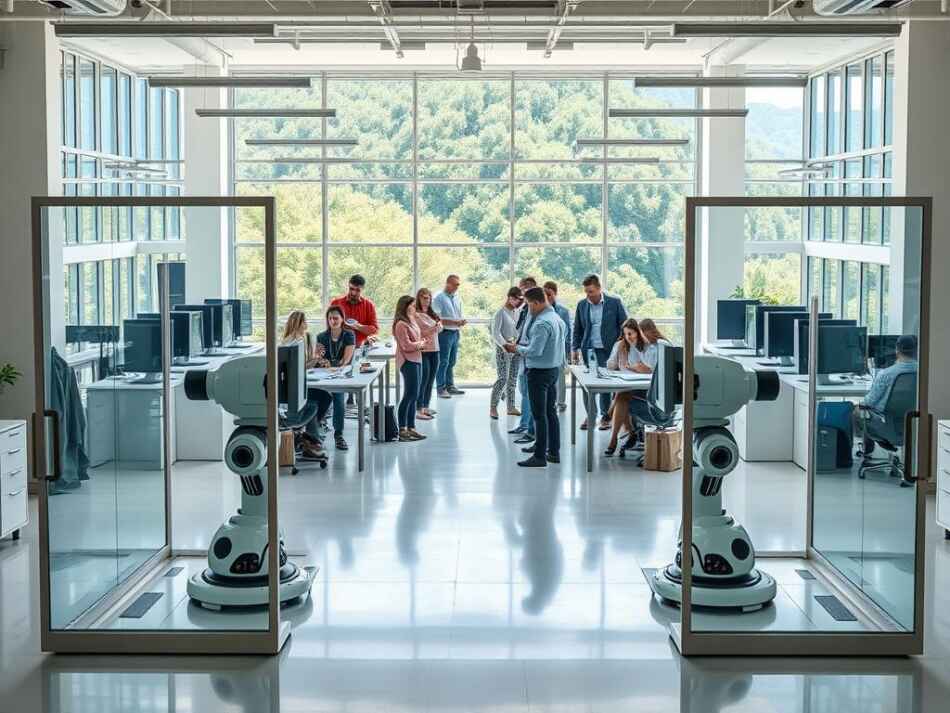
Designing workspaces with ergonomics in mind is important. Designers must think about the physical needs of workers. They should make sure the space lets workers move easily and safely. This means having enough room to move around cobots and designing workstations that are good for your body.
Spatial Layout for Optimal Safety
The way a workspace is laid out is also very important for safety. Designers should make clear areas for cobots with signs or floor markings. These areas should be well-lit and free from things that could get in the way. It’s also important to have paths for humans to move around easily, away from cobots.
Use of Safety Barriers and Zones
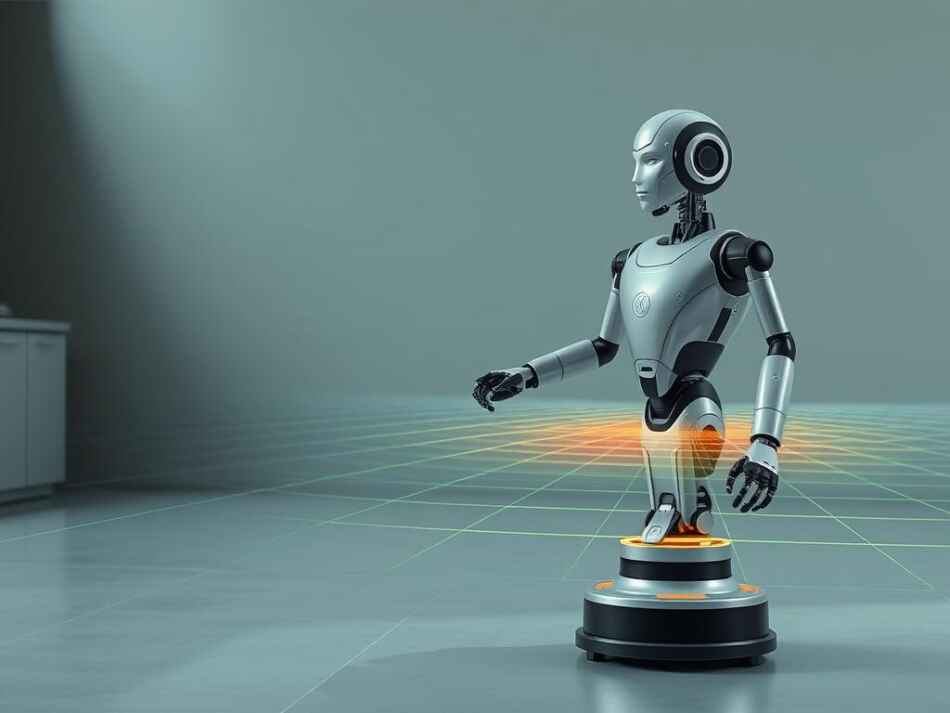
Robot safety barriers are key to keeping humans and cobots apart. These barriers can be fences, light curtains, or mats that feel pressure. They help stop accidents by keeping humans and cobots from touching each other. Also, using tech like geofencing can make virtual zones around cobots. This alerts humans with sounds or lights when they get too close.
It’s important to check the safety of the workspace often. Designers and safety teams should look at the layout and safety features regularly. They should find and fix any dangers. By being proactive and making changes as needed, companies can keep their workspaces safe and effective.
Implementing Safety Protocols for Collaborative Robots
Collaborative robots, or cobots, are becoming common in workspaces. It’s important to have safety rules to keep everyone safe. Teaching employees how to use cobots safely is key to avoiding accidents.
First, companies need to make safety rules for working with cobots. These rules should cover starting, stopping, and emergency situations. It’s important for employees to know what the cobots can and can’t do.
Importance of Regular Safety Audits
Regular safety checks are vital for a safe work area. These checks should look at the cobots for damage or problems. Paying close attention to important parts like wiring and safety features is important.
Emergency Stop Mechanisms and Their Effectiveness
Emergency stops are a key safety feature in cobots. They let workers stop the robot quickly if needed. It’s important that these stops are easy to find and use.
As cobot technology gets better, safety rules need to keep up. Companies should learn about new safety standards and use them. This way, they can use cobots safely and get their benefits.
The Role of Sensors and Safety Features in Collaborative Robots
Advanced sensors and safety features in collaborative robots (cobots) have changed workspaces. These smart systems help cobots understand and react to their surroundings. This makes working with humans and robots safer and more efficient. Robot safety sensors are key in preventing accidents and making workspaces safer.
Types of Sensors Used in Safety Applications
Collaborative robots use many sensors to see their surroundings and work safely. Some common sensors include:
- LiDAR (Light Detection and Ranging) sensors
- Ultrasonic sensors
- 3D cameras
- Force and torque sensors
- Capacitive sensors
These sensors help cobots understand their environment. They can spot and avoid dangers quickly.
How Sensors Enhance Human-Robot Safety
Advanced sensors in collaborative robots make work safer in many ways:
- 360-degree environmental awareness: LiDAR and 3D cameras give cobots a full view of their space. They can track objects and people.
- Collision avoidance: Cobots can change their path and speed to avoid hitting humans or things.
- Force limiting: Force and torque sensors help cobots stop or slow down if they touch humans. This prevents injuries.
These safety features, thanks to advanced sensors, make workspaces safer. Humans and robots can work together well without safety risks.
Case Studies of Sensor Effectiveness
Many case studies show how sensors in cobots work well. For example, a factory used cobots with LiDAR and force-limiting tech. This led to fewer accidents and near-misses.
In another example, 3D cameras helped cobots in a packaging job. They could see and avoid human movements. This made working together safe and efficient.
These examples show how important robot safety sensors and safety features are. They make workspaces safe and productive for humans and robots.
Training Employees for Safe Collaboration with Robots
Collaborative robots are becoming common in workspaces. It’s key to have good training for human safety. Cobot operator training and robot safety education help make work safer and more efficient. Good training lowers accident risks and boosts teamwork with robots.
Importance of Comprehensive Training Programs
Good training is essential for safe robot work. It should teach about robot use, safety rules, and what to do in emergencies. Coursera’s “Collaborative Robot Safety: Design & course is great for making training materials. It helps build a safe and confident work environment.
Best Practices for Training Techniques
Using different training methods is key for effective learning. Mix classroom lessons, hands-on practice, and simulated scenarios. This helps employees understand robot work well.
- Give clear rules on when to stop or approach robots
- Show how to use emergency stop mechanisms
- Encourage talking and feedback during training
Continuous Education and Safety Updates
Technology and safety rules change often. It’s important to keep learning and updating safety training. Companies should keep up with new robot safety info. This ensures workers always know the latest safety practices.
Monitoring and Evaluating Collaborative Robot Performance
To keep collaborative robots safe and efficient, a strong monitoring system is key. This system tracks important performance indicators like safety, productivity, and how well humans and robots work together. By checking these regularly, companies can spot where they need to get better and change their ways to do better.
One important part of watching how robots do is looking at safety KPIs. These include:
- Near-miss incidents
- Emergency stops
- Maintenance issues
- Safety protocol violations
By keeping an eye on these robot performance metrics, companies can spot and fix safety risks fast. Regular safety checks and talking to employees can also help find out if safety steps are working well and where they can get better.
Evaluating Human-Robot Collaboration
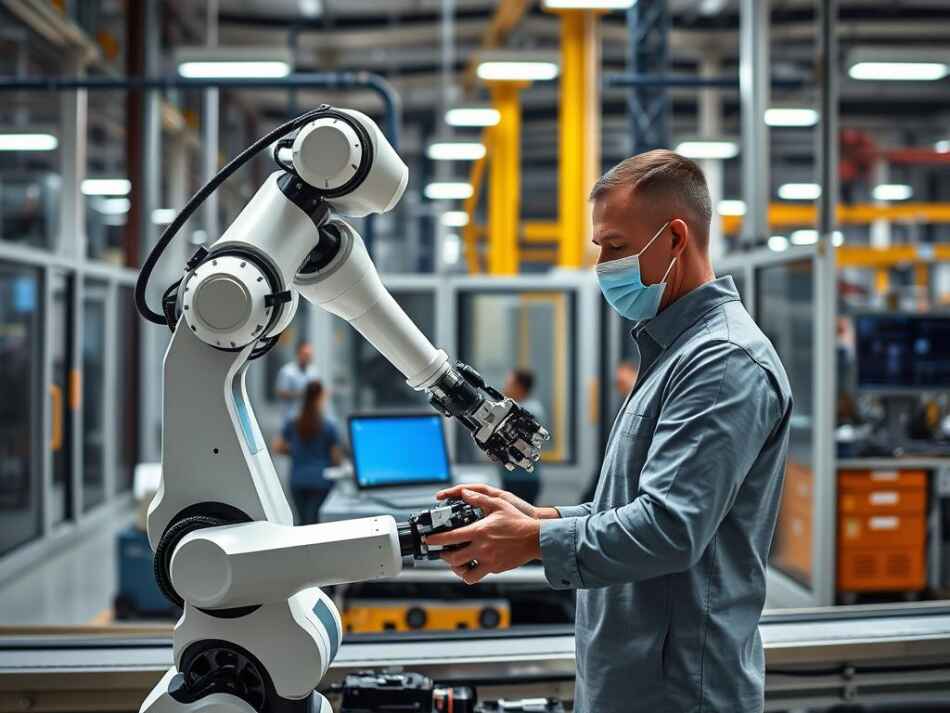
It’s also important to check how well humans and robots work together. This means looking at how happy workers are, how productive they are, and how well the team works together. Surveys, interviews, and watching how they work can give useful feedback for human-robot collaboration evaluation.
Adapting to Operational Feedback
When companies get data on how robots and humans work together, they should use it to keep getting better. This might mean changing safety rules, rearranging the workspace, or training workers more. By listening to workers and letting them share ideas, companies can build a safe and collaborative work environment for everyone.
Future Trends in Collaborative Robot Safety
Collaborative robots are becoming more common in many fields. Safety is a big concern. New tech is making safety features better, keeping both humans and robots safe. Let’s look at some trends that will shape the future of robot safety.
Innovations in Robotics Safety Technology
Artificial intelligence (AI) and machine learning are changing robot safety. AI-powered robot safety systems are getting more common. They let robots make quick decisions based on their surroundings and how they interact with people.
These smart systems can spot dangers early and act fast to avoid accidents.
The Shift Towards Autonomous Safety Measures
Robots are getting smarter, leading to more autonomous safety systems. These systems use sensors, cameras, and AI to watch the workspace for risks. They can change the robot’s speed or path to avoid accidents.
Predictions for Safety Standards Evolution
Robot tech is changing fast, and safety rules will too. Groups like regulatory bodies and industry organizations are working with makers and users. They aim to create clear rules for working with robots and humans.
These rules will likely include AI for risk checks, constant monitoring, and safety changes. This will help keep workers safe.
Looking ahead, robot safety will keep growing. By using AI, autonomous systems, and new rules, we can make the most of robots. This will help everyone work together safely and effectively.
Case Studies of Successful Collaborative Robot Implementations
Collaborative robots, or cobots, have changed many industries. They make work safer, more efficient, and productive. Let’s look at some examples of how cobots have helped different sectors.
Manufacturing Sector Success Stories
In manufacturing, cobots have made a big difference. For example, a car factory used cobots on an assembly line. This helped workers avoid injuries and made work faster.
The cobots did tasks like moving parts, welding, and checking quality. They followed strict industry-specific robot safety rules.
Healthcare Applications of Collaborative Robots
Healthcare has also seen the benefits of cobots. In surgeries, they help with tools and positioning patients. They have sensors and safety features for accuracy and safety.
Cobots also help in patient care. They assist with exercises and give medicine. This keeps patients and staff safe and comfortable.
Challenges Overcome in Various Industries
Bringing cobots to different industries is not easy. One big challenge is making spaces safe for them. This means doing safety checks, changing layouts, and setting up safety zones.
Another challenge is training workers to work with cobots. This needs special training and ongoing learning. Industries also face industry-specific robot safety rules and must follow them to use cobots well.
Conclusion: Emphasizing the Importance of Safety
As more industries use collaborative robots, keeping humans safe is key. The future of cobot safety depends on focusing on human well-being. This way, we can enjoy the benefits of these new technologies.
The Future of Collaborative Workspaces
In the future, humans and robots will work together smoothly and safely. This dream needs better safety tech, strong training, and strict rules. As cobots get smarter, safety must keep up to make workplaces safe and friendly.
Ensuring a Safe Collaborative Environment
Companies must do thorough risk checks and follow safety rules. They should also teach employees about safety and use the latest safety tech in cobots. This way, they can make the most of working with robots while keeping everyone safe.
Call to Action for Industry Leaders
Industry leaders are very important for cobot safety. They should lead by example, use the latest safety tech, and focus on safety. They must keep up with new safety info and change their plans as needed. Together, we can make sure working with robots is safe and beneficial for everyone.