
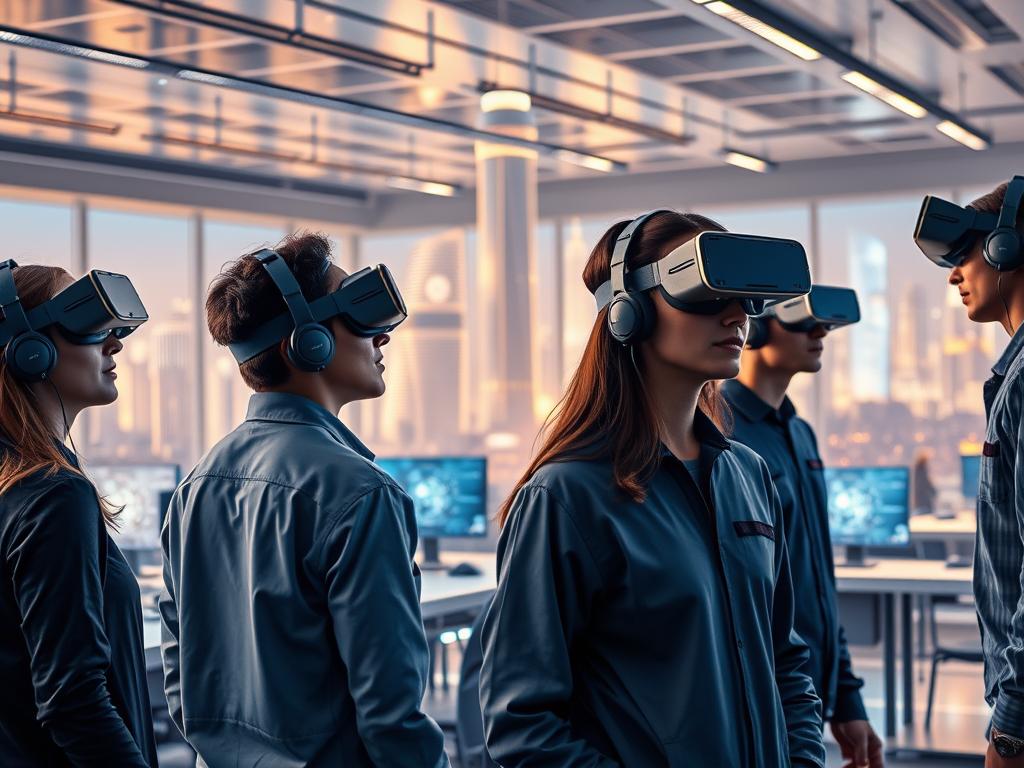
Traditional approaches to hands-on education are evolving. As industries adapt to digital transformation, the methods for preparing workers must keep pace. Cutting-edge tools like artificial intelligence and augmented reality now enable immersive learning experiences, closing gaps between classroom theory and real-world application.
In today’s fast-paced economy, staying competitive requires more than basic knowledge. Programs leveraging AI-driven simulations or interactive modules help learners master complex tasks faster. For example, healthcare trainees practice virtual surgeries, while manufacturing students troubleshoot equipment through 3D models. These innovations aren’t just convenient—they’re essential for addressing modern workplace demands.
Global shifts, such as automation and remote collaboration, add urgency to this evolution. Organizations that delay adopting these strategies risk falling behind. Timing matters: integrating tech too slowly could leave teams unprepared, while rushed implementations might overlook critical skill gaps.
Data shows businesses using adaptive learning platforms see 30% higher retention rates. This isn’t about replacing instructors—it’s about empowering them. By blending human expertise with smart tools, educators create flexible pathways tailored to individual needs. The result? A workforce ready to tackle tomorrow’s challenges, today.
Introduction to Vocational Training in the Digital Era
Today’s workforce preparation methods are unrecognizable from a decade ago. Hands-on learning now blends with digital tools, creating dynamic environments where students master skills faster and more effectively. This shift isn’t just about adopting gadgets—it’s a complete reimagining of how education aligns with industry needs.
From Classrooms to Interactive Platforms
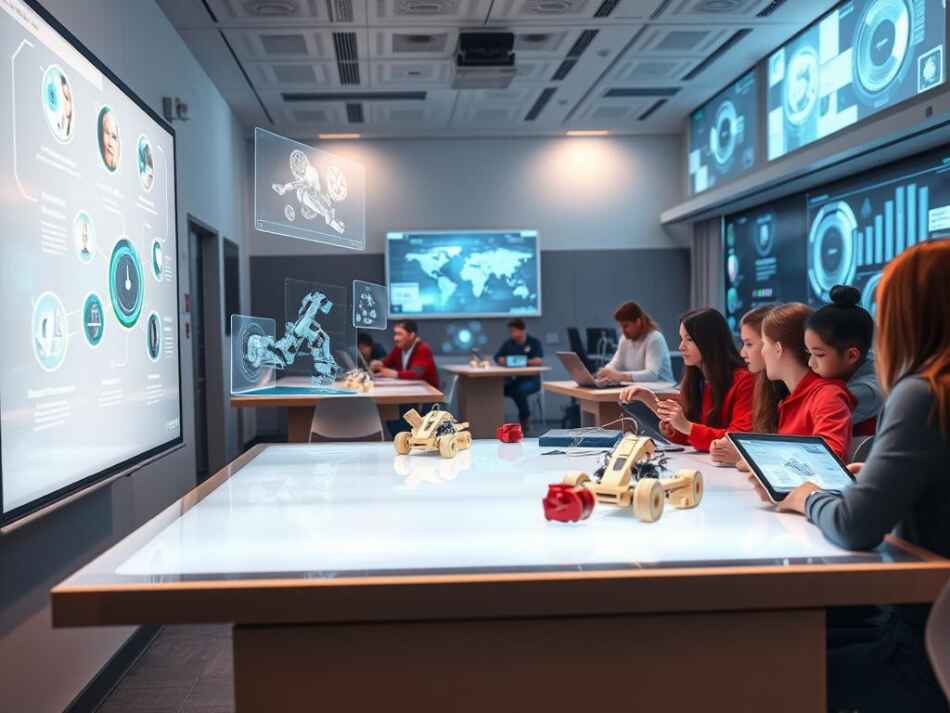
Gone are the days of static textbooks dominating lessons. Schools and organizations now use AI-powered simulations, augmented reality (AR) modules, and virtual labs. For example, automotive repair students diagnose engine issues through 3D models, while hospitality trainees practice customer service via VR scenarios. These tools bridge gaps between theory and real-world application.
Technology as a Curriculum Architect
Digital innovations don’t just supplement learning—they redefine it. Adaptive platforms analyze individual progress, tailoring content to address weaknesses. Data shows companies using these systems reduce onboarding time by 40%. This approach ensures curricula stay relevant to fast-changing industries like healthcare and IT.
Key benefits of tech-driven education include:
- Real-time feedback for immediate skill improvement
- Scalable training solutions across global organizations
- Enhanced retention through immersive experiences
As industries prioritize specialized competencies, educational models must keep pace. The result? Graduates equipped with expertise that matches employer demands from day one.
Vocational Training, Emerging Technologies, Future of Work: Shaping Modern Practices
Skill development programs now prioritize agility and personalization like never before. Learners demand solutions that fit their schedules, skill gaps, and career goals. This shift reflects broader changes in how industries operate—where adaptability often determines success.

Defining Key Trends and Innovations
Data reveals that 72% of organizations now use analytics to customize learning paths. For example, construction workers master safety protocols through AR overlays, while electricians troubleshoot circuits via interactive 3D models. These tools address immediate needs while preparing users for evolving roles.
Three core innovations are reshaping professional growth:
- Adaptive platforms that adjust content based on performance metrics
- Microlearning modules for on-the-job skill reinforcement
- Collaborative virtual environments simulating real workplace challenges
Such opportunities empower learners to acquire competencies at their own pace. A nurse might practice rare procedures through AI simulations, reducing training time by 35%. Similarly, logistics teams optimize workflows using predictive analytics tools during virtual drills.
This approach doesn’t just fill knowledge gaps—it builds confidence. By blending immediate feedback with real-world scenarios, programs create lasting engagement. The result? A workforce equipped to handle today’s complexities while anticipating tomorrow’s demands.
Technology Transforming Professional Training Environments
Innovative technologies are reshaping how professionals acquire critical skills. From healthcare to aviation, digital tools now deliver hands-on practice without real-world risks. This evolution bridges classroom concepts and workplace execution, creating safer, more efficient learning pathways.
AI and Machine Learning Applications
Smart algorithms analyze performance to customize programs for individual needs. For example, pilots refine decision-making through flight simulators that adapt scenarios based on past errors. Data shows such systems improve retention by 45% compared to traditional methods. Key advantages include:
- Personalized lesson plans targeting weak areas
- Predictive analytics identifying future skill gaps
- Automated progress tracking for supervisors
AR/VR for Immersive Training Experiences
Virtual reality places workers in high-stakes environments safely. Surgeons practice complex procedures via 3D simulations, while engineers troubleshoot machinery through augmented overlays. A manufacturing case study revealed 50% faster error resolution after VR drills. These tools excel in three areas:
- Replicating rare or dangerous scenarios
- Enabling collaborative problem-solving across locations
- Reducing equipment costs through digital twins
By merging AI adaptability with immersive simulations, modern training solutions prepare teams for evolving challenges. The result? Confident workers equipped with practical expertise that translates directly to their work.
Integrating Cutting-Edge Tools into Learning Systems
Forward-thinking organizations are redefining skill development by merging advanced technologies with traditional learning frameworks. This fusion creates adaptable systems that evolve alongside industry demands. Strategic investments in digital infrastructure now enable companies to deliver cohesive educational experiences at scale.

Seamless Integration of Digital Platforms
Successful implementation begins with aligning new tools to existing workflows. Educators and IT teams collaborate to assess technical requirements while preserving core curriculum strengths. Three critical steps ensure smooth transitions:
- Conducting skill gap analyses using data analytics
- Pilot-testing platforms with focus groups
- Establishing feedback loops for continuous improvement
Healthcare systems demonstrate this approach effectively. Nurses now access AR-guided procedure simulations through hospital LMS platforms. This blended method reduced onboarding errors by 28% in one regional network. Similarly, logistics companies combine VR warehouse drills with mentorship programs.
Business leaders play a pivotal role by funding these initiatives. A 2023 study showed organizations allocating 15%+ of L&D budgets to tech integration saw 22% higher employee retention. These investments directly enhance career mobility – 63% of workers report better promotion prospects after completing hybrid programs.
Real-time data transforms how educators refine content. Adaptive algorithms track progress across 12 metrics, from module completion rates to practical application accuracy. This intelligence allows dynamic adjustments, ensuring training remains relevant to actual workplace challenges.
Harnessing Artificial Intelligence for Enhanced Skill Development
Artificial intelligence is reshaping how professionals build expertise across industries. By analyzing individual learning patterns, AI crafts tailored programs that adapt in real time. This approach moves beyond one-size-fits-all methods, creating dynamic pathways for mastering job-specific competencies.
Personalized Learning Paths and Virtual Mentors
AI-driven systems now act as 24/7 mentors, identifying skill gaps through interactive assessments. For example, nurses using these platforms receive customized modules on rare procedures based on their clinical history. Retail managers might practice conflict resolution through chatbots that simulate difficult customer interactions.
These tools do more than deliver content—they predict needs. If a technician struggles with equipment diagnostics, the system automatically suggests supplemental resources. A recent study highlighted by UC San Diego Extended Studies found such personalization boosts completion rates by 40% compared to traditional programs.
Data-Driven Decision Making in Training
Organizations leverage AI analytics to align workforce development with business goals. Algorithms track progress across thousands of data points, from quiz scores to practical application accuracy. This intelligence helps leaders allocate resources strategically, focusing on high-impact skills.
In logistics, companies use these insights to reduce onboarding errors by 35%. Warehouse supervisors receive automated feedback about team performance, enabling quick adjustments. The result? Employees gain confidence faster, while organizations build agile teams ready for evolving challenges.
By merging innovation with practical needs, AI transforms how people prepare for tomorrow’s jobs. It’s not just about smarter tools—it’s about building a workforce that learns as dynamically as the world changes.
Bridging Theory and Practice in Modern Training
Closing the gap between classroom concepts and workplace execution has become a priority for educators. Simulation-based exercises now serve as critical connectors, allowing learners to test ideas in risk-free environments. This approach transforms abstract theories into tangible skills, preparing individuals for evolving industry demands.
Simulation-Based Exercises and Real-World Applications
Modern programs use interactive scenarios to mirror workplace challenges. Automotive students troubleshoot electric vehicle systems through digital twins, while nurses respond to emergency simulations with AI-generated patient data. These exercises reinforce theoretical knowledge while building muscle memory for complex tasks.
Three key benefits drive this shift:
- Confidence building: Learners repeat high-pressure scenarios until mastery
- Role adaptation: Teams practice redefined responsibilities before implementation
- Cost efficiency: Organizations reduce equipment wear-and-tear during practice
A manufacturing case study highlights this success. After adopting VR assembly line drills, one company saw a 40% drop in production errors. Employees reported feeling better prepared for shifting operational roles, from quality control to machine maintenance.
These tools don’t just teach skills—they reshape how people learn. By blending academic frameworks with practical repetition, programs create workers ready to excel from day one. The result? A workforce that turns theory into action with precision.
Conclusion
The transformation of skill development is entering a critical phase. AI-driven platforms, immersive simulations, and real-time analytics now set new standards for preparing teams. These tools bridge classroom learning with workplace demands, ensuring competencies match evolving industry requirements.
Organizations must act decisively. Leaders who delay adopting adaptive systems risk falling behind competitors using data-driven insights. Investing in these solutions isn’t optional—it’s vital for maintaining a skilled, agile workforce.
Continuous improvement remains central. Regular training updates keep employees ready for shifting roles and tools. Case studies show companies blending digital modules with mentorship achieve 35% faster skill mastery.
The path forward is clear: use technology to personalize learning while tracking outcomes. Prioritize platforms offering scalable solutions across departments. By doing so, businesses secure their position in tomorrow’s workplace while empowering teams today.
Now is the time to act. Leaders must champion these innovations, turning potential into measurable growth. The right tools exist—strategic use determines long-term success.