

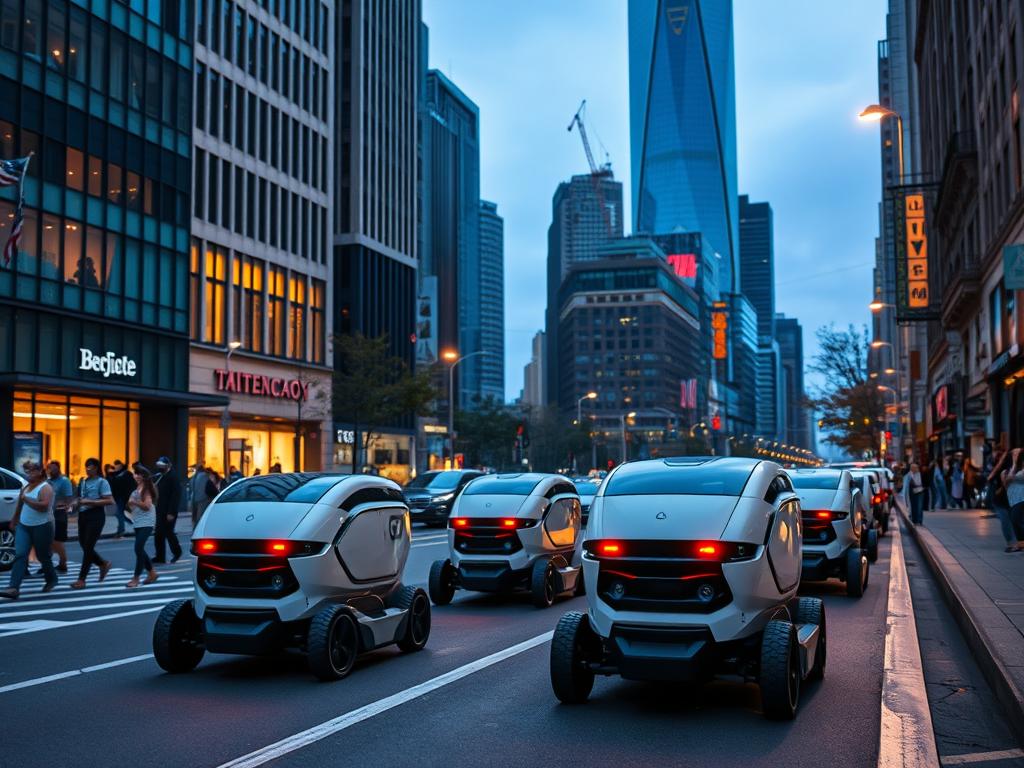
Imagine walking down a busy city street and seeing a small, self-driving cart. It’s carrying dinner or a package from a local shop. This isn’t from a sci-fi movie; it’s real. Autonomous delivery robots are changing how we get goods, making it fast and safe.
These small vehicles are big news for city delivery. They use cool tech like satellite navigation and computer vision. They can safely move on roads and sidewalks, delivering all sorts of things.
The need for quick delivery is growing fast. This means more and more of these robots will be used. By 2032, we’ll see 4.7 million of them.
Autonomous delivery robots are more than cool tech. They’re changing how we think about getting things delivered. They help people by doing the hard work of city travel. This makes delivery easy and safe for everyone.
Introduction to Autonomous Delivery Robots
Autonomous delivery robots are changing how we move goods in cities. They use smart tech to move around streets and get packages to people fast. These robots are making the last-mile delivery process better, changing city robotics and the future of moving things.
Definition and Overview
Autonomous delivery robots are self-driving vehicles for short trips without a person. They come in different shapes, like ground vehicles and drones, for different places and needs. They have sensors, cameras, GPS, and AI to move safely and on time.
Brief History of Development
The idea of self-driving delivery robots started about ten years ago. Early versions were in the 2010s. As delivery automation grew, more work went into making these robots better for last-mile deliveries.
Big steps were made with Starship Technologies’ robots in 2014 and Amazon’s Amazon Scout in 2019. These moves helped make self-driving delivery common in cities all over.
Current State of Autonomous Delivery Robots in the U.S.
The United States is seeing more use of autonomous delivery vehicles. This is mainly for last-mile delivery. As online shopping grows, companies are using new tech to speed up deliveries.
Recently, some big names have popped up in the robot delivery market. They offer special solutions for different needs. These companies are changing how we get goods from warehouses to our homes.
Key Players in the Market
Some top companies in robot delivery are:
- Amazon: Amazon’s Scout robot is testing self-driving delivery in some U.S. cities.
- Starship Technologies: Starship’s robots are in cities, colleges, and business parks.
- FedEx: FedEx is testing its SameDay Bot for fast delivery, including food.
Examples of Robot Implementations
Autonomous delivery robots work well in busy cities. They move on sidewalks, delivering packages safely. During the pandemic, they became even more popular for safe delivery.
Robots are also used for food delivery. For example, Starship Technologies delivers food at universities and offices. This makes things easier for customers and cuts down on traffic and pollution.
Technological Innovations Driving Adoption
Technology has moved fast, helping robots deliver goods on their own. They can now go through busy cities safely and quickly. This changes how we move things around in cities.
AI and Machine Learning Integration
Artificial intelligence (AI) and machine learning are key for robots to work well. They help robots find the best routes and avoid problems. Robots can also change plans if something unexpected happens.
AI makes warehouses smarter too. It helps robots pick and pack orders better. This makes getting orders right faster and more efficient. It all works together to make a better system for moving things.
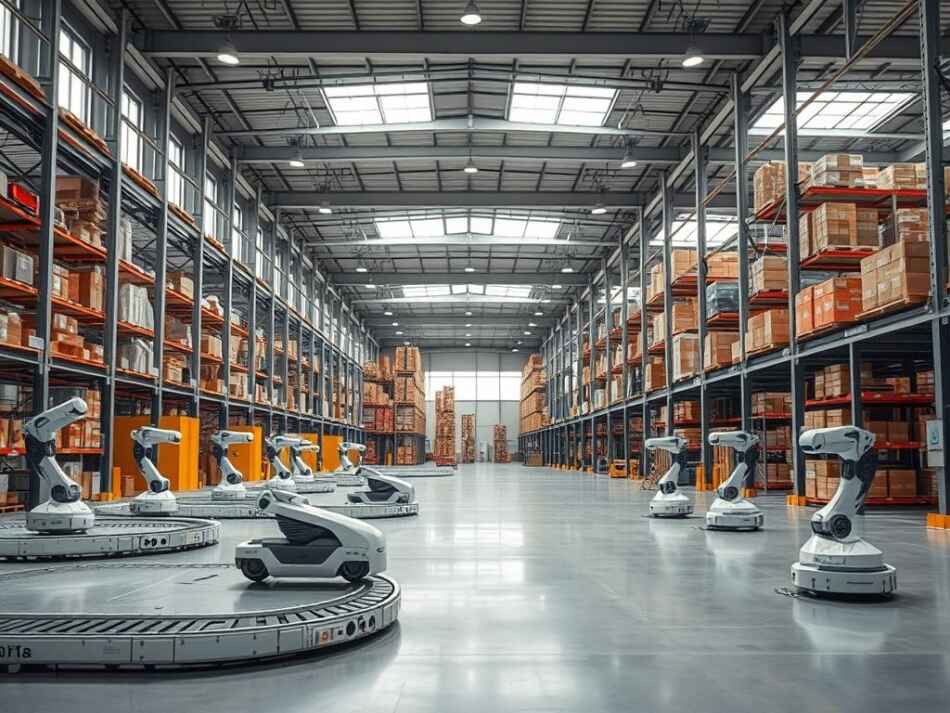
Navigation and Mapping Technologies
Robots use special tech to move around cities. They have LIDAR, GPS, and computer vision to map out their path. This helps them see and avoid obstacles.
Machine learning algorithms keep these maps up to date. This lets robots handle changes in the city, like new buildings or roadblocks. This is key for robots to work well in busy cities.
Benefits of Autonomous Delivery Robots
Autonomous delivery robots are changing how we do last-mile delivery. They are cost-effective, sustainable, and save time. These robots help solve problems with old delivery methods, making things better and cheaper.
One big plus of these robots is how they make delivery faster. They work all day, going through cities to get packages to customers. They use smart tech to find the best way and get there quick.
This means customers get their stuff sooner. And companies can do more deliveries, which is good for everyone.
Efficiency in Last-Mile Delivery
Autonomous delivery robots solve big problems with last-mile delivery. This part of delivery is often the most expensive and slow. But these robots make it faster and cheaper.
They can go through busy cities, avoiding problems and changing plans as needed. This means packages get to their homes quickly. It’s good for customers and helps businesses grow.
Reduced Labor Costs
Another big plus is saving money on labor. Old ways of delivering need a lot of people, which costs a lot. But robots don’t need breaks or overtime, so they save money.
This lets companies use their money better. It’s a smart choice for businesses wanting to save money and do more.
Also, these robots are good for the planet. They run on electric batteries, which is better for the air than gas cars. Using them shows companies care about the environment. It’s a step in the right direction for our planet.
Challenges Facing Autonomous Delivery Robots
Autonomous delivery robots bring many benefits. But, they face big challenges to work well in cities. These include laws, safety, and security issues.
One big problem is the lack of laws for these robots. By 2022, only 23 U.S. states had rules for them. Without clear laws, companies are unsure about using these robots.
Regulatory and Legal Hurdles
Companies making these robots struggle with laws. Each place has its own rules, making it hard to grow. It’s key for everyone to work together to make rules that help these robots work well.
Safety and Security Concerns
These robots can be stolen or damaged. They work alone, making them easy targets. Companies need to use strong security, like watching them from afar and making them hard to mess with.
Also, teaching people about these robots can help. If people understand their purpose, they might not damage them as much.
Impact on Urban Infrastructure
Autonomous delivery robots are changing urban infrastructure. They help reduce traffic in busy cities. This is because they cut down on the number of cars on the road.
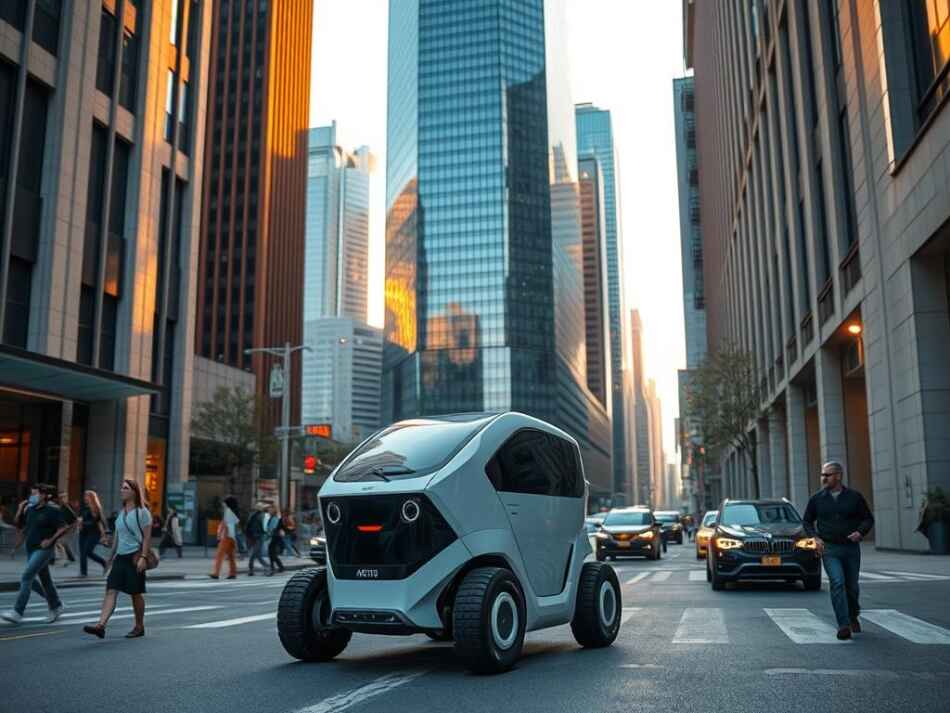
Cities are using smart traffic systems to help these robots. These systems use artificial intelligence to plan the best delivery times. This way, they reduce traffic and lower emissions.
Smart traffic lights also play a big role. They adjust their timing to help delivery robots move faster. This makes the whole delivery system more efficient and green.
Changes in Delivery Operations
Autonomous delivery robots are changing how companies deliver goods. They need to plan better routes and schedules. This means setting up special centers and charging spots in cities.
Adaptations in City Planning
As more robots are used, cities must change their plans. They need to make special paths for these robots. This keeps everyone safe and moving smoothly.
They also need to build places for charging and fixing these robots. This is key for their smooth operation in cities.
Public Perception of Autonomous Delivery Robots
As autonomous delivery robots become more common in cities, it’s key to understand how people see them. Many are excited about the idea, but others miss the old way of getting things delivered. It’s all about how well people accept and trust this new tech.
What makes people think about these robots is their benefits. If they deliver fast and save money, more people might like them. But, worries about privacy and safety need to be fixed to gain trust.
Media Coverage and Public Relations
How the media talks about these robots matters a lot. Good news can make people feel more confident. But, bad news can make them doubt.
Companies using these robots need to talk openly about their safety and privacy. Being clear and honest helps build trust. This is key to making people see these robots in a good light.
Future Trends in Autonomous Delivery
The autonomous delivery market is set to grow a lot in the next few years. Delivery robots will get smarter and carry more stuff. They will also move around easier in different places. This will make more businesses use these robots for delivery.
One big change is robots will be more on their own. They will use new tech like AI and sensors to make decisions. This means they will work better and need less help from people.
Expansion into Rural and Suburban Areas
Delivery robots are mostly used in cities now. But soon, they will go to rural and suburban places too. As they get cheaper and better, they will help more people get what they need faster.
More robots will be used because of:
- People want fast and easy delivery
- Online shopping is growing fast
- Better batteries will let robots go further
- Companies are working together to make it happen
As the market grows, businesses need to keep up with new trends. Using the latest tech and working with new companies will help them lead the way. This way, they can enjoy the benefits of using robots for delivery.
Comparison with Traditional Delivery Methods
Autonomous delivery robots are changing the game in last-mile delivery. They offer benefits over old ways, but they face competition. This includes alternative last-mile delivery solutions like cargo bikes and scooters. Let’s look at how these robots stack up in speed, reliability, and cost for businesses.
Speed and Reliability
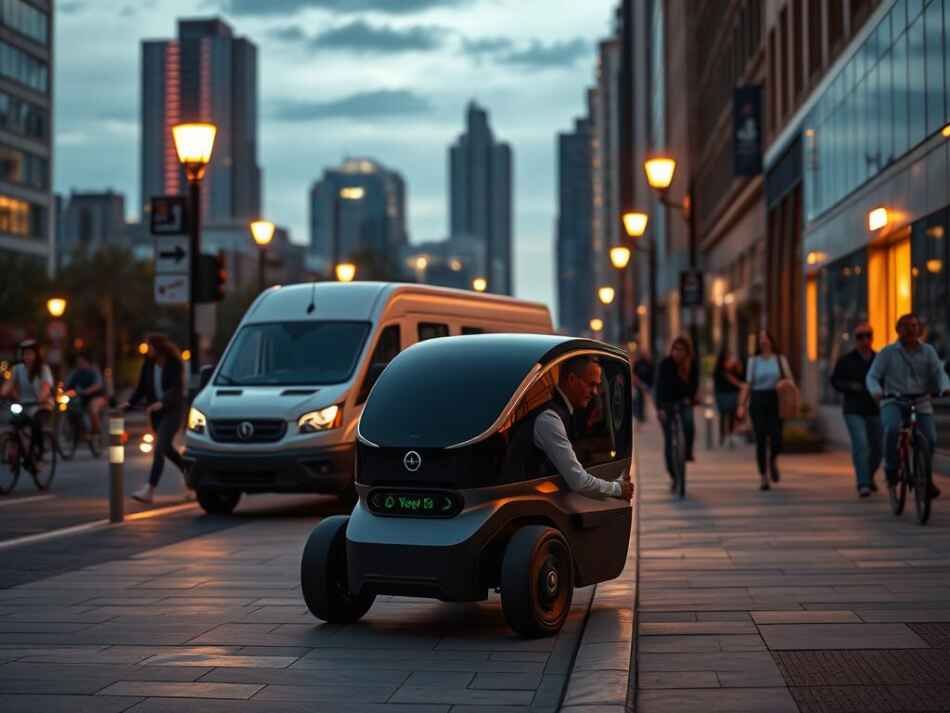
Autonomous delivery robots are great at moving through cities. But they go slower, about 5mph, than drones and motorcycles. This can make deliveries slower, which is a problem for urgent packages.
These robots need to be charged often and stay connected. They also need someone to watch them in tough places.
Cost Implications for Businesses
Using autonomous delivery robots can save money for companies. It cuts down on labor costs and makes things more efficient. But, the initial cost and upkeep are big factors to think about.
In cities with lots of people and alternative last-mile delivery solutions like drones, robots might not be as popular. These other options can handle tough places and go farther, which could be cheaper for some businesses.
Choosing between robots and old ways depends on many things. This includes how often packages are delivered, the city’s setup, and what the business needs. As tech gets better and rules change, there will be more ways for companies to improve their delivery.
Case Studies of Successful Deployments
Autonomous delivery robots have been used in many U.S. cities. They show how they can change how we move things around. These examples help us see the good and bad of using these robots.
Starship Technologies made a study from April 2018 to November 2021. They found their robots cut down 280,000 car trips. They also saved 137 tons of CO2 and 22kg of Nitrogen dioxide. Plus, they reduced 23kg of PM10 and 12kg of PM2.57 in the air.
This study shows how robots can help the environment. It’s very important in cities where air and traffic are big problems.
Examples from Major Cities
Big cities like San Francisco and Washington D.C. are using these robots. They work with companies like Starship Technologies. In San Francisco, robots help people get packages and groceries without touching them.
In Washington D.C., robots bring food and essentials to people and businesses. It’s a new way to get things delivered.
Lessons Learned from Early Implementations
Using robots for delivery has shown both good and bad things. One big lesson is keeping the robots connected and watched from afar. They also need to handle bad weather and tricky city streets safely.
As more cities use these robots, we’ll learn even more. This will help make the technology better. Companies like Starship Technologies will keep improving their robots for everyone.
Environmental Impacts of Autonomous Delivery Robots
The need for quick and efficient delivery is growing fast. This has made the environmental impact of last-mile delivery a big worry. Autonomous delivery robots could be the answer, cutting down on carbon emissions and road wear in cities.
Autonomous delivery robots are good for the planet. They run on electric motors, which don’t pollute. By using these robots instead of trucks and vans, companies can cut their carbon footprint a lot.
These robots also help reduce city traffic. They move through crowded areas without making traffic worse. This makes traffic flow better and saves roads from damage.
Carbon Footprint Reduction
Research shows autonomous delivery robots can cut greenhouse gas emissions by up to 90%. They use electric motors and smart routes to save energy and travel less.
Urban Congestion Mitigation
Autonomous delivery robots fit right into city life. They use sidewalks and bike lanes to avoid main roads. This helps reduce traffic and makes cities better for walking.
As these robots get smarter, they’ll help the environment even more. They’ll use new sensors and AI to find the best paths. This will make them even better for the planet and cities.
Conclusion and Future Outlook
Autonomous delivery robots are changing urban logistics. They make delivery faster, cheaper, and better for the planet. These robots are set to grow the market a lot in the next few years.
They help businesses save money and improve how they deliver goods. This makes them a great choice for companies wanting to stay ahead. Autonomous robots are making delivery faster and more reliable.
They also help the environment by reducing pollution. This makes them a smart choice for businesses. They are becoming more popular as people see their benefits.
As autonomous robot technology gets better, so does the future of delivery. Companies that use this tech will do well. They will face challenges like rules and safety, but they can overcome them.
These robots will get even better with AI and new navigation. This means they will work better and faster. They will be able to do more on their own.
In short, autonomous delivery robots are key to the future of urban logistics. As the market grows, businesses that use them will save money and help the planet. This revolution is just starting and will change how we move goods in cities.