

I’ve seen how technology has changed education. It has made learning and teaching better. Now, we can learn from anywhere in the world.
Looking ahead, we need to know what’s coming in education. Experts say there are big changes on the way.
The EdTech market is expected to grow a lot. It will reach US$598.82 billion by 2032. This growth is because people want learning that is personal, easy to get, and fun.
We’re going to see big changes in education soon. These include more use of artificial intelligence and online learning.
The Rise of Artificial Intelligence in Education
AI is changing how we learn and teach. It uses machine learning to make classrooms more interactive. Now, teachers can tailor lessons to fit each student’s needs.
Platforms like Squirrel AI and Microsoft’s Reading Coach lead this change. They use data to create learning plans that fit each student’s pace. This way, everyone gets the help they need.
Personalized Learning Experiences
AI makes learning personal. It looks at how well students do and how they like to learn. Then, it creates learning paths just for them.
This approach helps all students, not just some. It makes sure everyone has a chance to succeed. AI helps students who might have been left behind before.
AI-Powered Assessment Tools
AI is also changing how we check if students are learning. Old ways don’t show the whole picture. But AI gives a clearer view of how students are doing.
AI tools can grade work quickly and give feedback right away. They help teachers see where students need extra help. This makes teaching more efficient and accurate.
AI is already making a big difference in schools. Sixty percent of teachers use it every day. As AI gets better, we’ll see even more ways it can help students and teachers.
Growth of Virtual and Augmented Reality
Technology keeps getting better, and VR and AR are changing education. These new tools let students learn in ways we never thought possible. They make learning fun and memorable, changing how we teach and learn.
Immersive Learning Environments
VR takes students to places that feel real, like a doctor’s surgery room. AR adds digital stuff to the real world, making learning interactive. As VR and AR get cheaper, more schools will use them.
Practical Applications in STEM Education
VR and AR are great for STEM subjects because they let students learn by doing. Labster lets students do virtual labs without expensive gear. This saves money and lets students learn safely.
Companies like Interplay Learning use VR for skills like HVAC repair. VR and AR make learning interactive and practical. They help students get ready for jobs in high-demand fields.
VR and AR will keep getting better, leading to new ways to learn. We’ll see virtual field trips and group learning. These tools will make learning fun and prepare students for today’s world.
The Increasing Importance of Data Analytics
Data analytics is now key in education tech. It helps improve student engagement and success. By using learning analytics and student data, teachers get insights into how students learn and what they need to work on.
Data analytics lets teachers give students learning that fits them. By looking at student data, teachers can see what each student is good at and what they struggle with. This helps teachers tailor lessons to meet each student’s needs, making learning more engaging and effective.
Enhancing Student Engagement
Adaptive teaching is another big win for data analytics in schools. It uses performance tracking to adjust lessons based on how well a student is doing. This keeps students interested and helps them get the right help when they need it.
Predictive Analytics for Academic Success
Data analytics also helps predict how students will do. By looking at past student data and performance tracking, teachers can spot students who might struggle. This lets teachers help these students early, making sure everyone has a chance to succeed.
As tech in education keeps getting better, data analytics will play an even bigger part. By using learning analytics and student data, teachers can make learning more personal and effective. This prepares students for success in today’s world.
The Shift Towards Hybrid Learning Models
Technology is changing education fast. Now, we see more hybrid learning models. These mix online learning’s ease with classroom hands-on. Hybrid learning, or blended learning, meets many students’ needs.
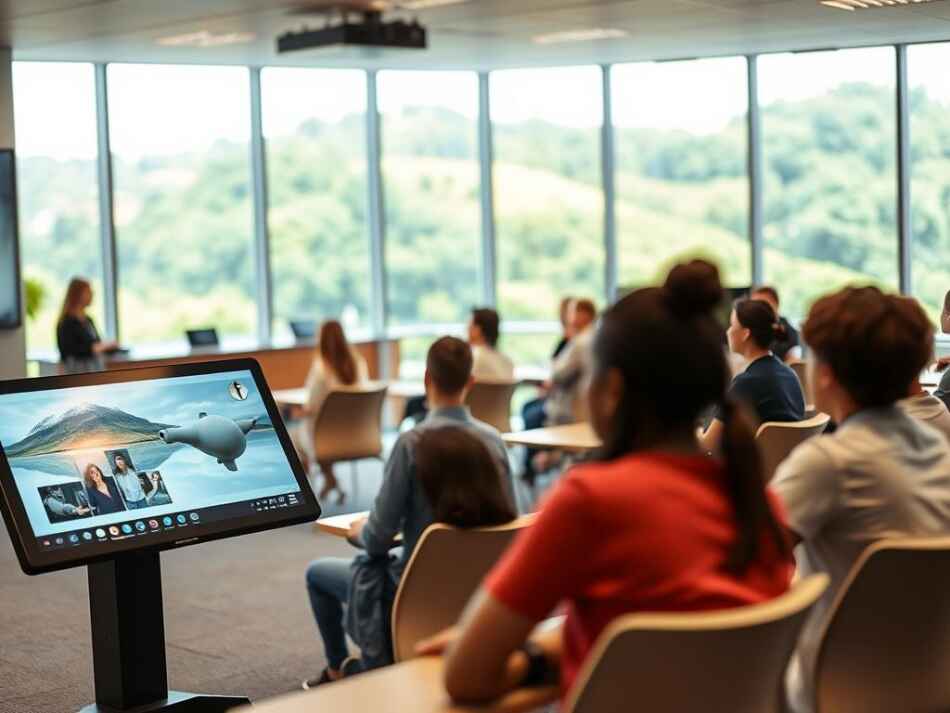
Hybrid learning uses new tech like learning systems and digital classroom twins. It blends online and in-person learning. This way, students learn at their own pace with teacher help.
Flexibility in Course Delivery
Hybrid learning is flexible. Students can learn online anytime. They also get to meet in class for real talks and teamwork.
This is great for those with jobs or family. It also suits students who like to learn at their own speed.
Benefits and Challenges of Hybrid Learning
Hybrid learning has many pluses:
- It’s easy and convenient for students.
- Learning is tailored to each student.
- Students get to work together more.
- It’s cheaper for schools.
But, there are downsides too:
- Not everyone has the tech or internet.
- Teachers must learn new ways to teach.
- Keeping students motivated online can be hard.
Despite these issues, more people want hybrid learning. A survey found 65% of teens like learning in person. So, hybrid learning is becoming the new standard in schools.
Expansion of Online Learning Platforms
The e-learning market is growing fast. Online learning platforms are at the forefront. They change how we learn, making education easy and flexible for everyone.
Big names like Khan Academy and Coursera are changing education. Khan Academy has over 1.8 billion video views. This shows people want good learning content. These sites offer many courses for different subjects and levels.
Impact of Major Players in the Market
Big online learning sites have changed education a lot. They’ve made traditional schools offer online courses too. This lets students learn in new ways and at their own pace.
Niche Communities and Content Creation
There are also smaller groups making educational content online. They focus on specific areas, like art or coding. Sites like YouTube and Udemy help them share their knowledge with others.
As more people want to learn online, we’ll see more changes. Both big sites and small creators will help shape education. They’ll offer many ways for people to learn new things.
The Role of Blockchain Technology
Blockchain technology is changing how schools handle student data and records. It makes a safe, open way to store and share important info. This is key as schools move more online.

Blockchain is great for making sure academic records are real. Old paper certificates can be fake or changed. But blockchain gives each record a special code that can’t be altered. This makes it easy to check if a record is true.
Secure Credentialing and Certifications
Many schools are looking into blockchain for their records. The University of Arizona and Learning Machine are working together. They give out digital diplomas that are safe and can’t be changed.
The Georgia Institute of Technology is also using blockchain. They make and check student certificates for online classes. This shows how blockchain can help with records.
Enhancing Privacy and Data Security
Blockchain also helps keep student info safe. It uses secret codes and spreads data out. This keeps student data safe from hackers and others who shouldn’t see it.
As schools use more technology, blockchain will play a big role. It will help keep records safe and make schools more trustworthy. This helps everyone involved in education.
Gamification in Education
In recent years, gamification in education has become a key tool. It boosts student engagement and motivation. By adding game elements to the classroom, teachers make learning fun and interactive.
The global education gamification market has grown fast. It reached USD 697.26 million in 2020 and is expected to hit USD 4144.97 million by 2027. This shows how well gamification works in keeping students engaged and making learning fun.
Engaging Learning Experiences
Platforms like Minecraft Education and Roblox Education use gamification to teach programming and game design. They let students explore, create, and solve problems in a fun way. ClassDojo also uses quizzes and games, with over 50 million users worldwide.
Motivational Impacts on Student Performance
Gamification boosts motivation and improves academic performance. It uses points, badges, and leaderboards to make learning rewarding. This approach encourages students to learn more, take risks, and keep trying.
It also reduces stress and helps students get along better with their tutors. By rewarding effort with level-up certifications, gamification makes learning valuable. As gamification in education grows, it’s clear it’s changing the way we learn for the better.
Mobile Learning and Accessibility
Mobile learning has changed education a lot. It makes learning easy and flexible for everyone. Now, students can learn anytime, anywhere. This change has opened up new ways to learn that fit each person’s needs.
Duolingo is a great example of mobile learning’s power. It has 74 million users every month. It’s free on iOS and Android, so anyone can start learning a new language.
Trends in App Development
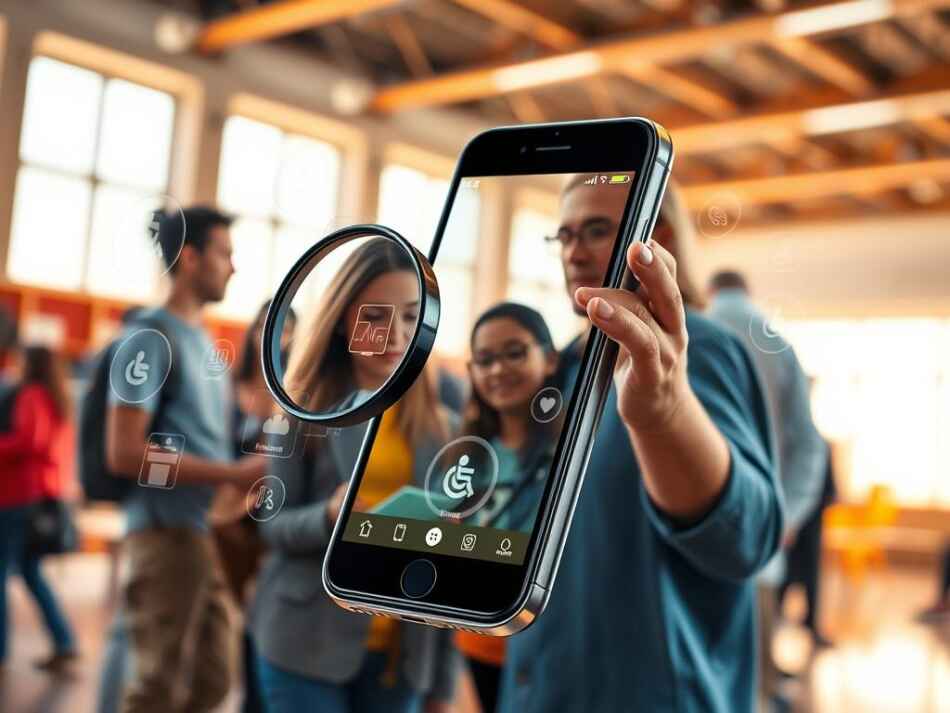
Mobile tech is getting better fast. This has led to new learning apps. These apps use mobile features like touch screens and cameras to make learning fun.
Apps are also using AI to learn about each user. This helps make learning personal. It means students can learn at their own speed and get help when they need it.
The Digital Divide in Education
But, not everyone can use these new learning tools. Some students don’t have good phones or internet. This is a big problem in poor areas and developing countries.
We need to make sure everyone can learn with mobile tools. We can do this by giving cheap devices and better internet. We also need to teach people how to use digital tools. This way, everyone can learn together.
Emphasis on Lifelong Learning
In today’s fast-changing world, learning never stops. With nearly 1 billion jobs changing soon, we must keep learning new skills. EdTech makes it easy to grow in our careers and stay ahead.
Professional Development Opportunities
EdTech sites like Degreed, Interplay Learning, and Workera change how we learn. They offer many courses and certifications for all levels. With new tech and expert teachers, we can learn fast and stay current.
Whether it’s coding, digital marketing, or leadership, EdTech has it all. It’s a great place to grow your skills.
Impact on Career Readiness
EdTech makes us ready for our careers. It helps us learn new things and stay valuable. We get real-world practice through projects and simulations.
This hands-on learning prepares us for challenges. Plus, online learning fits our busy lives. It makes learning easy and flexible.
As jobs change, learning with EdTech is key. It helps us grow and succeed in our careers. With tech and lots of learning resources, we can shape our futures.
Future Challenges and Considerations
The EdTech industry is growing fast. But, it faces big challenges. One key issue is making sure all students have the tech they need. This means everyone must work together to make sure all students have a fair chance to learn.
Equity in Technology Access
Another big challenge is making sure EdTech is good and reliable. With so many new tools and platforms, we need clear standards. This helps make sure these tools really help students learn and meet their goals.
Ensuring Quality and Credibility in EdTech
To make the most of EdTech, we must tackle these challenges. Teachers, parents, and tech companies need to work together. By doing this, we can make education better for everyone in the digital world.