


Traditional teaching methods are evolving rapidly. Short, focused lessons now dominate modern knowledge-sharing strategies. This approach breaks complex topics into manageable chunks, helping learners absorb information faster.
By replacing lengthy sessions with engaging, digestible modules, this method aligns with today’s fast-paced lifestyles. Studies show concise material improves retention by up to 80% compared to conventional formats. Busy professionals and students alike benefit from fitting skill-building into tight schedules.
Digital platforms have revolutionized accessibility. Learners can now access high-quality resources during commutes, breaks, or downtime. This flexibility removes geographical barriers while supporting personalized progress tracking.
Organizations report significant gains from adopting this model. Training costs drop by nearly 50% when switching to streamlined content delivery. Employees complete programs faster while demonstrating stronger competency retention.
Later sections will explore practical implementation tactics. Topics include blending multimedia elements, designing mobile-friendly experiences, and measuring program effectiveness. Real-world case studies from Fortune 500 companies will highlight measurable success stories.
Understanding the Impact of Microlearning, Bite-Sized Learning, Online Education
Attention spans in today’s world demand new educational strategies. The average person encounters 74GB of daily data – equivalent to watching 16 movies. This overload reshapes how people absorb critical skills, favoring formats that cut through noise.

Redesigning Skill Development
Traditional hour-long seminars struggle against TikTok-era focus cycles. Microsoft’s Work Trend Index reveals workers lose concentration every 40 seconds. Organizations now prioritize targeted content delivery through platforms like LinkedIn Learning, where 67% of users complete short courses versus 23% in lengthy programs.
Corporate and Individual Alignment
Both enterprises and professionals gain from condensed training. For teams, cloud-based systems reduce onboarding time by 42% while boosting knowledge retention. Individuals report 31% higher completion rates when using mobile-friendly modules during spare moments.
Advanced software tracks progress through AI-driven analytics, letting users revisit challenging topics. This precision contrasts with broad-stroke classroom methods, creating measurable improvements in technical competency and soft skills.
The Evolution and Benefits of Bite-Sized Lessons
The transformation in instructional design mirrors our changing digital habits. Extended classroom sessions once dominated training programs, but modular formats now deliver information in digestible portions. Research reveals this approach improves recall by 5-10 times compared to traditional methods.
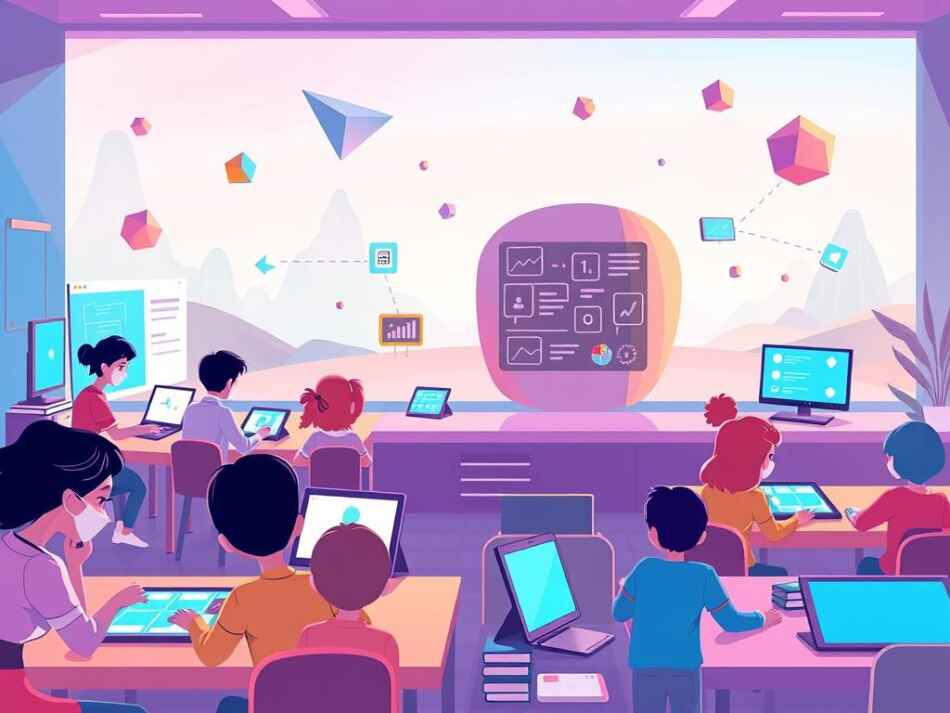
Enhanced Knowledge Retention and Engagement
Short modules combat the forgetting curve by reinforcing concepts through repetition. A Fortune 500 tech firm reduced onboarding time by 40% using 7-minute video segments. Visual chunks like infographics and interactive quizzes further boost engagement, creating memorable learning experiences.
Cost and Time Efficiency in Learning
Organizations save 50% on training costs through streamlined content creation. Employees complete programs 3x faster while maintaining 78% retention rates. This way of delivering material eliminates unnecessary filler, letting users focus on practical skills.
These benefits extend across industries – healthcare teams master new protocols using 5-minute videos, while sales departments update product knowledge during downtime. The next section explores tactical methods to implement these strategies effectively.
Strategies for Implementing Microlearning Effectively
Efficient knowledge transfer now hinges on strategic, modular frameworks. To maximize impact, organizations must prioritize clarity and interactivity at every stage. This approach ensures participants stay focused while building competencies systematically.
Setting Clear Objectives and Structuring Content
Start by defining specific outcomes for each module. Measurable goals like “Master three spreadsheet formulas in 10 minutes” outperform vague targets. Break topics into sequenced modules that progress from foundational ideas to advanced applications.
Integrating Interactive Elements
Boost engagement through hands-on activities. Quick simulations and scenario-based quizzes reinforce key concepts better than passive reading. For employees, real-world challenges like customer service role-plays create memorable practice opportunities.
Consider this example: A retail company reduced onboarding time by 65% using 5-minute product knowledge games. Their structured process included weekly progress reviews to identify skill gaps.
Well-designed modules create cohesive learning experiences that adapt to individual paces. As teams refine their content delivery strategies, the next phase explores blending multimedia tools for deeper immersion.
Engaging Content Creation and Multimedia Integration
Modern training tools thrive when creators blend visual and interactive elements. Multimedia formats simplify complex subjects while keeping users actively involved. This approach transforms dry material into dynamic experiences that stick.

Leveraging Videos, Infographics, and Quizzes
Short videos under 90 seconds explain processes better than text-heavy manuals. For example, 90-second explainer clips reduce software onboarding time by 33%. Color-coded infographics break down data trends visually, helping teams grasp analytics faster.
Interactive quizzes reinforce knowledge through instant feedback. A financial services company saw 89% completion rates using scenario-based questions after 3-minute modules. These tools cater to visual, auditory, and kinesthetic learners simultaneously.
Real-Life Examples and Case Studies
Healthcare networks use animated videos to teach safety protocols. One hospital reduced compliance errors by 62% using 5-minute video checklists. Delivery platforms like TalentLMS ensure content displays perfectly on phones, tablets, and desktops.
A coding bootcamp boosted student skills through weekly infographic challenges. Their platform tracked progress, showing 47% faster skill mastery versus textbook-only groups. Regular content updates keep materials fresh – teams should revise resources every 90 days.
These strategies create memorable experiences that traditional methods can’t match. Next, we’ll examine how organizations implement these techniques across industries.
Real-World Applications in Corporate and Academic Settings
Organizations across industries are redefining skill development through compact training methods. These strategies deliver measurable results in both workplace efficiency and classroom outcomes, bridging gaps between theory and practice.
Corporate Training: Up-skilling and Productivity Gains
Global enterprises use focused sessions to boost team performance. A logistics company reduced onboarding time by 52% using 8-minute daily modules. Employees completed training during work breaks, fitting skill-building into their professional life without disruption.
Targeted content keeps attention levels high. Interactive scenarios help teams retain compliance protocols 47% longer than traditional workshops. Leaders report 31% faster project launches after implementing modular programs.
Educational Institutions: Personalized and Self-Paced Learning
Universities now offer adaptable formats for different learning preferences. One California college saw 28% higher exam scores after introducing 10-minute video recaps. Students revisit complex topics at their own pace, strengthening weak areas through repeated exposure.
These experiences empower learners worldwide. A Texas high school improved STEM participation by 63% using gamified quizzes. Teachers track individual progress through dashboards, adjusting content difficulty in real time.
As these real-world examples demonstrate, compact formats create lasting impact across sectors. The next section explores how technology amplifies these results through advanced analytics and adaptive platforms.
Leveraging Technology and Analytics for Enhanced Learning
Advanced tools now power modern training systems, combining robust infrastructure with real-time insights. Cloud services form the backbone of these platforms, enabling instant access to resources across continents. Content delivery networks (CDNs) slash loading times by 70%, ensuring smooth video playback even in low-bandwidth areas.
Cloud Services, CDNs, and Mobile Compatibility
Mobile optimization transforms how users engage with content. Over 83% of training occurs on smartphones during commutes or breaks. Responsive design ensures modules adapt to any screen size, maintaining focus on key objectives.
This flexibility drives completion rates – healthcare workers using mobile-first platforms show 41% higher engagement. Automatic updates via cloud systems keep materials current without manual downloads.
User Feedback and Continuous Content Improvement
Real-time analytics reveal which modules resonate. Teams track completion rates, quiz scores, and replay frequency to identify gaps. One manufacturing company redesigned safety tutorials after noticing 60% drop-off at the 4-minute mark.
Feedback loops are critical. A structured process using software like Qualtrics lets users rate content after each session. These insights guide weekly content revisions, creating a 22% faster skill acquisition cycle.
Platforms supporting learning development tools enable personalized paths. AI recommends modules based on individual progress, as seen in a retail chain that boosted sales techniques mastery by 58%.
By merging technical infrastructure with user insights, organizations achieve reliable delivery of impactful training. For deeper strategies on refining training platforms, explore industry-proven methodologies.
Conclusion
The educational landscape has shifted dramatically, prioritizing efficiency and adaptability. Research confirms compact knowledge delivery boosts retention by 80% while cutting training costs in half. These methods thrive by addressing modern needs for speed and flexibility, letting users build skills during spare moments.
Success hinges on strategic design. Clear objectives, multimedia integration, and tech-driven analytics form the backbone of effective programs. Continuous process improvements – fueled by user feedback – ensure content stays relevant as needs evolve.
Forward-thinking organizations already see results. Corporate teams slash onboarding time, while schools report higher test scores through self-paced formats. These ways of delivering information bridge gaps between busy schedules and skill development.
Educators and business leaders must act today to stay competitive. Embracing innovative formats unlocks progress for teams and learners alike. As learning development evolves, prioritizing adaptable processes will define success in our fast-moving world.